2026 Best Guide on Connecting Hoses for High Pressure Pumps?

Time:2026-08-23 Author:Aria
0%

Connecting hoses correctly on a high-pressure pump is essential for optimal performance. Many users overlook this crucial task. Poor connections lead to leaks and pressure drops. Understanding how to connect hoses correctly on a high pressure pump can make a significant difference in efficiency.

High-pressure pumps require specific connections to handle the force involved. Improper installation risks not only equipment failure but also personal safety. Each hose must be selected carefully according to size and pressure rating. The materials used in hoses greatly impact their durability and functionality.

Even experienced users can struggle with hose connections. It's easy to miss a step or choose an incompatible part. Reflecting on past mistakes can enhance future connections. A thorough understanding combined with practical experience ensures a safe operation. Prioritize quality and always double-check your work for the best results.
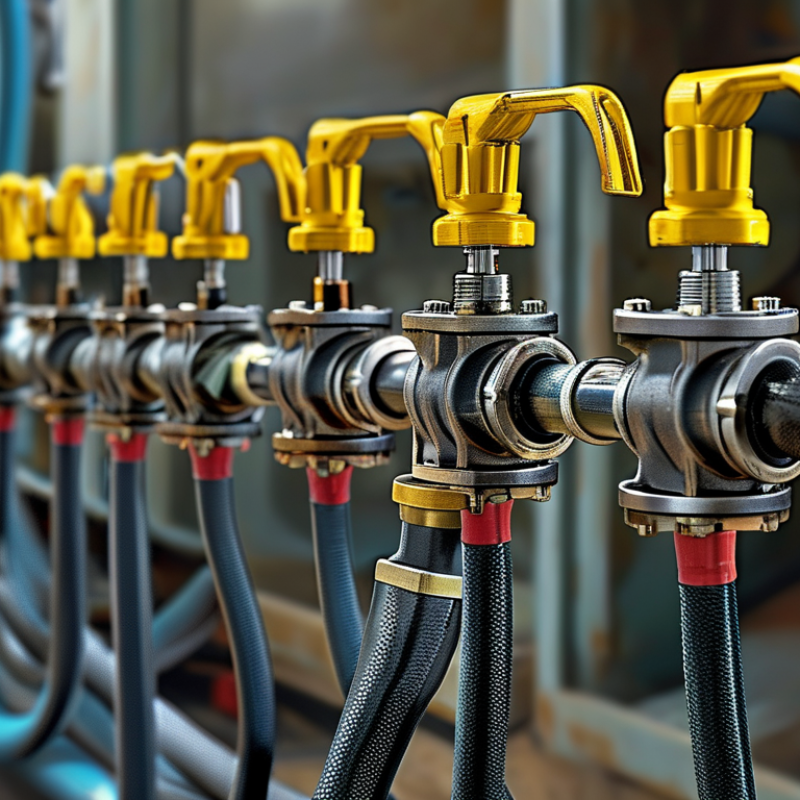
2026 Best Guide on Connecting Hoses for High Pressure Pumps?

Understanding High Pressure Pumps and Their Applications

High pressure pumps are vital in various applications. They can be found in industries like agriculture, construction, and cleaning. Understanding their functionality helps in selecting the right pump for your needs. These pumps generate significant pressure, surpassing 1,000 psi, which allows them to effectively move liquids. High pressure pumps excel in tasks that require efficient fluid transfer or cleaning power.

Connecting hoses to these pumps requires careful consideration of diameter and material. The hose should withstand high pressure, as failure can lead to dangerous situations. Use reinforced hoses for maximum durability. Regularly inspect hose connections for leaks or damage. Testing the pump's performance after installation is essential. This ensures that all components work together efficiently.

Proper training is crucial when handling high pressure pumps. Operators must be aware of potential hazards. Understanding the equipment's limits is key. Proper maintenance routines need to be established. Ignoring these can result in inefficiencies or failures. Reflecting on past experiences helps improve safety measures for future operations.

Choosing the Right Hose Material for High Pressure Usage

When selecting the right hose material for high-pressure pumps, several factors demand attention. High-pressure systems require hoses that can withstand extreme forces. Common materials include rubber, PVC, and braided steel. Each has its strengths and weaknesses. Rubber hoses are flexible but may degrade under certain chemicals. PVC is rigid yet can be prone to cracking over time. Braided steel hoses offer excellent durability but may be heavy and less flexible.

The working environment also influences material choice. For example, a hose in a hot, outdoor setting may need materials resistant to UV damage. It's important to consider the fluid being transported, as some substances can cause rapid deterioration of hose materials. Regular inspections are crucial as wear and tear can sometimes go unnoticed until it's too late. Users should reflect on their specific needs and the expected lifespan of the hose.

Sometimes, people overlook compatibility factors, which can lead to inefficiencies. It’s essential to cross-check specifications against your pump’s output and operating environment. Not everything is straightforward; a seemingly perfect choice may not perform as expected under pressure. Balancing durability, flexibility, and compatibility is a challenging puzzle that requires careful thought.

Connecting Techniques: Fittings and Couplings for High Pressure Hoses

When connecting hoses for high-pressure pumps, understanding fittings and couplings is crucial. Different applications require specific types of connections. You might often find yourself choosing between various materials like steel or plastic. Each material has its pros and cons. Steel is durable but heavier. Plastic is lightweight but might not handle extreme pressure well.

It's essential to consider the hose diameter as well. Compatibility between the hose and fitting sizes can prevent leaks. A poor fit can lead to dangerous situations. Always check the manufacturer's specifications before making a purchase. Sometimes the best-looking connection might not be the safest one.

Ensuring tight seals is critical. Utilize appropriate sealing techniques to avoid any issues with pressure loss. Humidity and temperature fluctuations can affect connections over time. Regular maintenance checks can help spot potential problems early. A faulty connection could lead to equipment failure or even injury. Always prioritize safety by making informed choices about your fittings and couplings.

Safety Considerations When Working with High Pressure Pumps and Hoses

When working with high pressure pumps, safety must be a priority. The industry-standard pressure thresholds can reach up to 5000 psi, making it crucial to remain vigilant. Inadequate connections may lead to hose bursts, which poses significant dangers. Reports indicate that improper fittings account for nearly 30% of hose failures. These failures can result in serious injuries and equipment damage.

Proper training and regular inspections are essential. Personnel should be trained to identify wear and tear signs in hoses and fittings. Rubber hoses, for instance, can degrade over time, becoming more susceptible to ruptures. Using compatible materials is paramount. An incongruity in material can lead to leaks or explosive failures. According to industry guidelines, at least 70% of preventative measures involve ensuring the right hose for the job.

Moreover, understanding the working environment is necessary. Outdoor conditions can affect hose integrity. Moisture, temperature fluctuations, and UV exposure can deteriorate hoses faster than expected. Regularly scheduled maintenance can reduce risk factors significantly. Incorporating a detailed log for each hose used adds a layer of accountability. Attention to detail can save lives and resources in high-pressure pump applications.

2026 Best Guide on Connecting Hoses for High Pressure Pumps

Maintenance Tips for High Pressure Hose Connections to Ensure Longevity

Maintaining high pressure hose connections is vital for performance and safety. A secure connection prevents leaks and boosts efficiency. Regular inspections can identify weak points. Look for signs of wear and tear, such as cracks or frays. Even small damages can lead to bigger issues. Replace any compromised parts promptly to maintain optimal function.

When reconnecting hoses, cleanliness is essential. Dirt and debris can compromise seals. Clean the ends of hoses before attachment. Apply a thin layer of lubricant to help ensure a tight fit and ease future disconnections. Avoid over-tightening, as this can damage fittings and create leaks over time. It's a delicate balance.

Storing hoses properly can enhance their lifespan. Avoid kinks and sharp bends during storage. Store hoses in a cool, dry place away from direct sunlight. Consider the environment where you use the hoses. Extreme temperatures or exposure can lead to premature degradation. Even minor mistakes in maintenance can have long-lasting effects. Prioritize your connections for reliable performance.

2026 Best Guide on Connecting Hoses for High Pressure Pumps

Connection Type Recommended Pressure Rating (PSI) Material Maintenance Tip
Screw Type 4000 Steel Regularly check for rust and apply lubricant
Quick Connect 3000 Aluminum Ensure connectors are clean and debris-free
Clamp Type 3500 PVC Inspect clamps for tightness and replace if worn
Threaded 4500 Brass Use Teflon tape to prevent leaks

FAQS

: What materials are commonly used for high-pressure hoses?

: Common materials include rubber, PVC, and braided steel. Each has unique strengths and weaknesses.

How does the working environment affect hose material choice?

The environment impacts durability. For instance, UV resistance is needed in hot, outdoor settings.

Why are regular inspections important for hoses?

Inspections help identify wear and tear early. Issues can go unnoticed until they cause significant problems.

What factors should be considered when choosing fittings and couplings?

Consider material, diameter, and compatibility. A poor fit can lead to pressure loss or leaks.

How should hoses be cleaned before reconnecting?

Clean the ends of hoses to avoid dirt compromising seals. Lubricate lightly for a better fit.

What maintenance practices can enhance hose connection longevity?

Regular inspections and proper storage are crucial. Avoid sharp bends and store away from direct sunlight.

What happens if hoses are over-tightened?

Over-tightening can damage fittings and create leaks. It’s important to find a balance.

Can environmental conditions lead to hose degradation?

Yes, extreme temperatures and humidity can result in premature wear. Always consider environmental factors.

What should be done with compromised hose parts?

Replace any damaged parts promptly to maintain optimal function and safety.

Why is proper storage important for hoses?

Proper storage prevents kinks and sharp bends. This practice significantly boosts the hose lifespan.

Conclusion

In the quest to understand how to connect hoses correctly on a high pressure pump, it is essential to first grasp the nature and applications of high pressure pumps. These pumps are widely used across various industries, necessitating the selection of the right hose material that can withstand such intense pressure. When connecting high pressure hoses, knowledge of suitable fittings and coupling techniques is crucial to ensure a secure and efficient setup.

Safety considerations must not be overlooked when handling high pressure pumps and hoses, as improper connections can lead to hazardous situations. Regular maintenance of hose connections is also vital for prolonging their lifespan and ensuring operational safety. By following these guidelines, users can effectively manage high pressure fluid systems while minimizing risks and maximizing performance.

Aria

Aria

Aria is a dedicated marketing professional with a deep passion for innovative strategies and a keen understanding of our company's product offerings. With a wealth of experience in the industry, Aria excels at crafting engaging content that highlights the unique features and benefits of our......