How to Determine the Maximum Aggregate Size for a Shotcrete Machine?

Time:2026-08-28 Author:Mason
0%

The selection of aggregate size is crucial for shotcrete applications. Understanding "what is the maximum aggregate size for a shotcrete machine" is essential for optimal performance. According to Dr. James Smith, a renowned expert in concrete technology, “The right aggregate size ensures a smooth flow and prevents blockages in the machine.” This highlights the importance of choosing appropriate materials.

Shotcrete, a method of applying concrete, requires careful consideration of aggregate size. Larger aggregates may cause issues during application. They can lead to uneven distributions, impacting the strength of the final product. In contrast, smaller aggregates can enhance the flowability and bond strength of the mixture. Balancing these factors is key for successful project outcomes.

Many engineers often encounter challenges in determining the right aggregate size. Sometimes they overly focus on material strength, neglecting machinery capabilities. This can lead to inefficient applications and increased costs. By understanding the maximum allowable aggregate size, professionals can improve their shotcrete methods and ensure more effective construction practices.
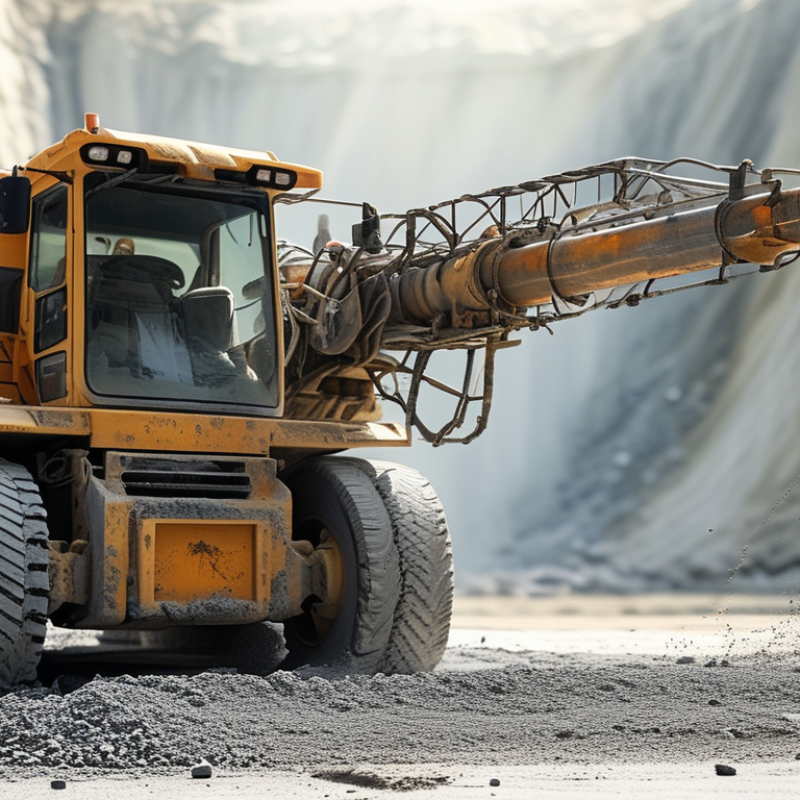
How to Determine the Maximum Aggregate Size for a Shotcrete Machine?

Understanding Shotcrete and Its Application

Shotcrete, a mixture of cement, water, and aggregates, is widely used in construction for its versatility. This technique applies concrete pneumatically, making it ideal for challenging terrains. Due to its application in tunnels, pools, and slope stabilization, understanding shotcrete is critical for engineers and contractors. It can adhere well to substrates, providing substantial structural integrity.

The choice of aggregate size significantly impacts the application process and final strength. Typically, the maximum aggregate size should not exceed one-third of the thickness of the shotcrete layer. This practice ensures proper compaction and minimizes rebound, which can lead to waste. Too large aggregates can create gaps, weakening the structure. Observing these guidelines is essential. Employing a trial mix can help gauge the right mix for specific projects.

Adapting the shotcrete process to various conditions is vital. Smooth application requires experience and knowledge of equipment settings. Too often, operators underestimate the role of aggregate size in achieving the desired strength and finish. Small adjustments can lead to significant improvements. Balancing efficiency, material costs, and quality must be central to every application choice. Each project brings unique challenges that require thoughtful solutions.

How to Determine the Maximum Aggregate Size for a Shotcrete Machine?

Parameter Recommended Value Units Notes
Maximum Aggregate Size 20 mm Common range for shotcrete applications
Optimal Aggregate Size 10-16 mm For enhanced bonding and workability
Water-Cement Ratio 0.4-0.5 Ratio Influences strength and durability
Shotcrete Delivery Pressure 4-6 MPa Typical range for effective placement
Aggregate Specific Gravity 2.5-3.0 g/cm³ Affects density and strength of shotcrete

Key Factors Influencing Maximum Aggregate Size

When considering the maximum aggregate size for a shotcrete machine, several key factors come into play. The type of project dictates the requirements. For instance, deeper applications may require smaller aggregate sizes to ensure proper flow and adhesion. Understanding the unique conditions of your site is critical.

Another influential factor is the specific machinery being used. Different shotcrete machines have unique specifications that determine the maximum aggregate size they can handle. Assessing the equipment's capabilities helps prevent issues during the application process. A well-matched machine can enhance efficiency and consistency in results.

Mix design also impacts the choice of aggregate size. The ratio of cement to aggregate should align with project goals. Testing various blends in preliminary trials ensures optimal performance. Maintaining flexibility in your mix can lead to better outcomes.

Experimenting with smaller aggregates can sometimes reveal unexpected benefits in strength and durability. Don't hesitate to reflect on past projects. Learn from experiences to adjust your current practices. Continuous improvement leads to greater success in shotcrete applications.

Evaluating Shotcrete Machine Specifications

Evaluating shotcrete machine specifications involves understanding the requirements for maximum aggregate size. The aggregate size affects the pumpability and finish of the material. It’s essential to assess the specifications of the shotcrete machine to find an optimal balance between size and application needs.

Manufacturers provide detailed specifications that indicate the maximum aggregate size their machines can handle. This information is critical. However, it is often based on ideal conditions. Real-world scenarios might change this. Job site conditions, such as humidity and temperature, can affect how the shotcrete performs, especially with larger aggregates.

Operators must remain aware of these variables. Testing different materials on-site can yield more accurate insights into performance. Collecting feedback from equipment operators is also valuable. Their hands-on experience can reveal nuances that specifications alone may not convey. Inconsistent results can be frustrating, emphasizing the importance of field trials. Adapting techniques to fit the machine's capabilities is also crucial. A flexible approach often leads to better outcomes in shotcrete applications.

Testing Aggregate Size Compatibility with Shotcrete

When assessing aggregate size compatibility with shotcrete, it is crucial to conduct thorough testing. A recent study from the American Concrete Institute indicates that the optimum aggregate size significantly impacts the material's workability and bonding strength. Analyzing aggregates sized 3/8 inch to 3/4 inch often yields improved flow rates and minimizes clogging in shotcrete machines. Testing these sizes can reveal which aggregates lead to better adhesion and reduced rebound during application.

Field observations show variability in performance based on aggregate composition. Coarse aggregates may lead to higher void content, impacting the final strength of shotcrete. The recommended method for testing compatibility includes both laboratory trials and on-site evaluations. These tests ensure the aggregates can withstand the mechanical forces during application without segregation. Some industry reports suggest that 80% of failures in shotcrete applications arise from inappropriate aggregate sizes.

The correlation between particle size distribution and performance is complex. Gradation affects packing density and workability. A blend of different aggregate sizes can balance these factors. Engineers should continuously refine their aggregate selection based on these assessments. Each project brings its own challenges, emphasizing the need for ongoing testing and quality control.

Best Practices for Aggregate Selection in Shotcrete Mixing

When selecting aggregates for shotcrete mixing, it's crucial to focus on size, shape, and grading. The maximum aggregate size can affect the overall performance of the shotcrete application. According to the American Concrete Institute, aggregates larger than 10 mm can lead to difficulties in the application, causing rebound and reduced adhesion. Smaller aggregates help ensure a smoother flow during pumping, improving the end product's durability.

Shape plays a significant role in aggregate selection as well. Angular aggregates provide better interlocking but can lead to increased water requirements. Conversely, rounded aggregates typically require less water and offer better workability. A study by the National Ready Mixed Concrete Association indicates that well-graded aggregates should fit the design needs while minimizing voids. This balance ensures strength and enhances the application process of shotcrete, impacting construction timelines and overall costs.

Maintaining appropriate moisture content is another factor to consider. Excess moisture can lead to segregation, while insufficient water can result in a dry mix that hampers performance. Many professionals recommend monitoring aggregate moisture closely. Utilizing moisture probes can assist in achieving the right consistency for optimal performance during shotcrete application. It's also vital to engage in regular testing to evaluate aggregate properties, ensuring consistency and reliability in shotcrete performance.

FAQS

: What is the importance of aggregate size in shotcrete applications?

: Aggregate size affects pumpability and finish quality. It’s critical to select the right size for each project.

How does real-world testing differ from manufacturer's specifications?

Manufacturer specs often reflect ideal conditions. Real-world factors like humidity and temperature can affect performance.

Why is operator feedback valuable in evaluating shotcrete performance?

Operators have hands-on experience. Their insights can highlight issues that specifications might overlook.

What is the recommended method for testing aggregate compatibility with shotcrete?

Both laboratory trials and on-site evaluations are essential. This ensures aggregates perform well under actual conditions.

What are common issues with using inappropriate aggregate sizes?

Up to 80% of shotcrete failures stem from poor aggregate size choices, leading to performance problems.

How does aggregate composition affect shotcrete?

Coarse aggregates can increase void content. This impacts the final strength and durability of the shotcrete.

Why is ongoing quality control necessary for aggregate selection?

Each project can present unique challenges. Continuous testing helps refine aggregate choices for better outcomes.

Can mixed aggregate sizes improve performance?

Yes, a blend can enhance packing density and workability, balancing strengths across different sizes.

What might happen if testing is neglected?

Neglecting testing can lead to inconsistent results. Unreliable performance often stems from insufficient evaluation.

How can techniques be adapted for better results?

A flexible approach is crucial. Modifying techniques based on machine capabilities can lead to improved applications.

Conclusion

Determining the maximum aggregate size for a shotcrete machine is essential for achieving optimal performance and durability in construction applications. Shotcrete, a method of applying concrete using high-pressure equipment, has specific requirements regarding aggregate size to ensure proper mixing and application. Key factors influencing the maximum aggregate size include the type of project, the thickness of the application, and the specific shotcrete machine's capabilities.

Evaluating the specifications of shotcrete machines is crucial, as each model may have different limitations on aggregate size. Additionally, testing the compatibility of the chosen aggregate with the shotcrete mixture is fundamental to maintain the structural integrity of the final application. Following best practices for aggregate selection ensures that the shotcrete adheres well and possesses necessary properties. In summary, understanding what is the maximum aggregate size for a shotcrete machine allows practitioners to optimize their shotcrete processes, resulting in quality and efficiency in construction projects.

Mason

Mason

Mason is a seasoned marketing professional with a deep expertise in the company's offerings and a passion for driving brand awareness. With a strong background in digital marketing strategies, he has an innate ability to connect with diverse audiences and effectively communicate product benefits.......