Cleaning a mortar spraying machine effectively is crucial for maintaining its performance and longevity. Knowing how to clean a mortar spraying machine after use can prevent wear and tear. A well-maintained machine ensures that it operates efficiently on your next project.
Regular cleaning can also save you time and money in the long run. However, many users overlook this essential step, leading to clogs and malfunctions. The process isn't always straightforward, and mistakes can happen. For instance, improper cleaning might leave residue that affects the next batch.
In this guide, we'll explore effective techniques for cleaning your machine. We will focus on practical tips and common pitfalls to avoid. You may find some challenges along the way, but with diligence, you can achieve a spotless clean. Proper care will reward you with reliable performance, making your work smoother and more efficient.
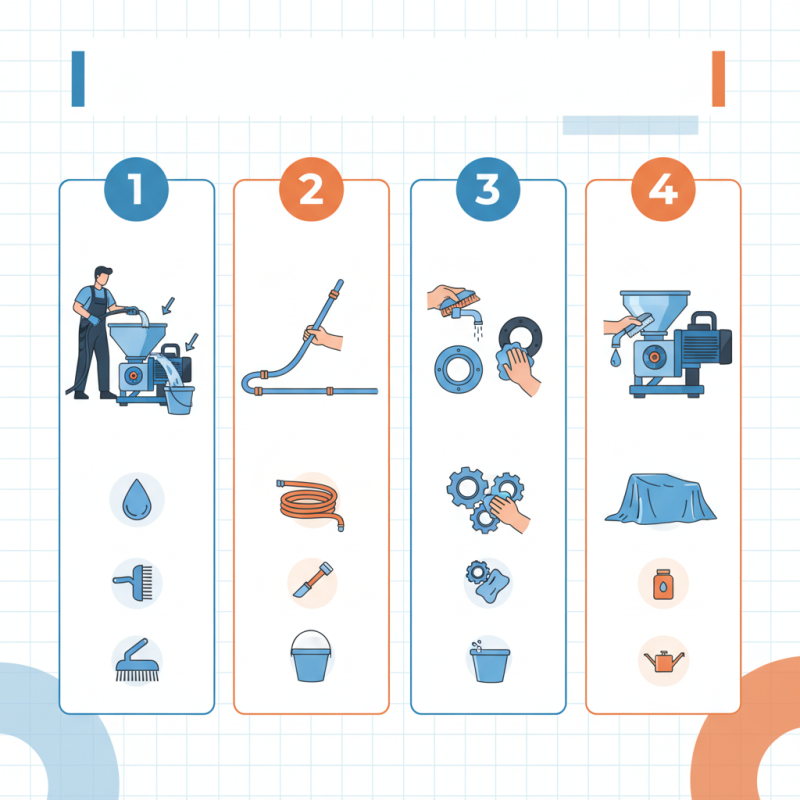
Preparing your mortar spraying machine for cleaning requires careful attention. Start by ensuring the machine is turned off and unplugged. This step is crucial for safety. Disconnect all hoses and attachments. Proper disconnection prevents any unintended sprays during cleaning.
Gather your cleaning tools and materials, such as a bucket of water, brushes, and solvents. You want the right tools to make the process easier.
Once you have everything ready, inspect the machine for any remaining mortar. A thorough inspection helps identify stubborn areas that need extra care. Use a brush to gently scrub these areas. Avoid using too much force, as you can damage the equipment. Ensure the spray nozzle is free from clogs. A clean nozzle promotes better performance next time you use the machine.
After initial cleaning, rinse all components with water. Swirl the water around to ensure it reaches all areas. This step is essential for removing any leftover residue. Pay special attention to the mixing chamber. It's often neglected, yet it can hold onto mortar. Always reflect on your cleaning methods. Are you thorough enough? Are there areas you consistently miss? Improving your technique will enhance your machine’s longevity.
Cleaning a mortar spraying machine promptly after use is crucial for its longevity and performance. When mortar dries inside the machine, it hardens and can cause blockages. These blockages complicate future tasks and lead to costly repairs. Operators often overlook this necessity after a long day of work. However, neglecting it can result in unexpected breakdowns and downtime.
Timely cleaning also ensures the quality of the next application. A dirty machine may contaminate fresh mortar with leftover residues. This contamination can affect bonding and final appearance, impacting project outcomes. Many users realize too late that skipping cleaning leads to poorer results. They regret not taking the time to address the situation right after use.
Moreover, the cleaning process itself can be challenging, requiring elbow grease and patience. Workers might rush, leading to incomplete cleanups. This haste often costs them more time later as they deal with stubborn residue. Developing a consistent and thorough cleaning routine can prevent these issues. It encourages accountability and maintains the machine's efficiency.
Cleaning a mortar spraying machine is crucial for its longevity. Disassembling the machine properly ensures that all components are cleaned effectively. Start by unplugging the machine to prevent any accidents. Wear gloves to protect your hands while working.
Once the machine is disconnected, remove the hopper. This part often collects residue and needs thorough cleaning. Use a brush to scrub away any remaining mortar. Next, detach the spraying nozzle. Rinse it under water to eliminate clogs. Pay attention to small openings; they can easily be blocked.
Now, tackle the pump and hoses. These areas can be challenging as residues may stick stubbornly. Using warm soapy water can help dissolve these materials. It’s easy to overlook these parts, but they are essential for proper operation. Regular maintenance is key, and even a small oversight can lead to larger issues later.
Cleaning a mortar spraying machine effectively requires the right tools and solutions. Start by gathering essential supplies. A high-quality brush helps remove stubborn residue. Scrapers can dislodge hardened mortar from crevices. Use a stiff bristle brush for areas that are difficult to reach. A pressure washer may help blast away leftover materials, but it should be used carefully.
For cleaning solutions, warm soapy water is a safe and effective choice. Vinegar also works well for loosening tough mortar. If residues persist, consider using a dedicated cleaning agent. Always follow safety guidelines while handling these products. Wear gloves and goggles to protect your skin and eyes.
After initial cleaning, inspect the machine for any wear or damage. Regular maintenance of your mortar spraying machine enhances its lifespan. Reflecting on your cleaning process can lead to better techniques in the future. Experiment with different tools and solutions to find what works best.
| Cleaning Step | Recommended Cleaning Solution | Required Tools | Duration |
|---|---|---|---|
| Empty the Machine | N/A | Bucket | 10 minutes |
| Rinse with Water | Water | Hose | 15 minutes |
| Use Cleaning Solution | Commercial Concrete Cleaner | Scrub Brush | 20 minutes |
| Neutralize Residue | Vinegar Solution | Spray Bottle | 10 minutes |
| Final Rinse | Water | Hose | 10 minutes |
| Dry the Machine | N/A | Towels | 15 minutes |
Cleaning a mortar spraying machine effectively is crucial for its longevity. Proper maintenance reduces wear and tear. Experts recommend cleaning within 30 minutes after use. Cement residue hardens quickly, making it difficult to remove. Regularly using clean water and a proper flushing technique helps prevent clogs. According to industry reports, 65% of machine failures result from inadequate cleaning practices.
Utilizing a high-pressure washing system can enhance cleaning efficiency. Focus on the nozzle, pump, and mixing chamber. Investigate any blockages immediately. If left unattended, even minor clogs can escalate into larger issues. It’s essential to develop a routine that includes thorough inspections. Studies show that preventative maintenance extends equipment life by up to 40%.
While many operators understand the importance of cleaning, some overlook it in busy schedules. Planning cleaning sessions can feel burdensome but proves valuable. Keeping a maintenance log can help track cleaning frequency and machine condition. Operational efficiency is often compromised by neglecting these practices. Consider integrating these techniques into daily operations, regularly adapting based on usage patterns.
: Timely cleaning prevents blockages, prolongs the machine's life, and avoids costly repairs.
Dried mortar can harden inside, causing complications and unexpected breakdowns.
Leftover residues may contaminate fresh mortar, impacting bonding and appearance.
Experts recommend cleaning within 30 minutes to avoid hardening residue.
Using a high-pressure washing system can enhance the cleaning process significantly.
Regular flushing with clean water and thorough inspections help prevent clogs.
Incomplete cleanups lead to stubborn residues, costing more time later.
A consistent routine encourages accountability and maintains machine efficiency.
Keeping a maintenance log can help track cleaning frequency and machine status.
Neglecting maintenance can compromise operational efficiency and increase repairs.
Cleaning a mortar spraying machine effectively after use is crucial for maintaining its performance and longevity. The process begins with proper preparation, ensuring all components are accessible for cleaning. Understanding the importance of timely cleaning after mortar application can prevent clogs and damage to the machine. A step-by-step guide for disassembling the machine allows users to thoroughly clean each part, removing any residual material.
To achieve optimal results, using recommended cleaning solutions and tools is essential. Best practices, such as routine maintenance and ensuring proper storage, can significantly reduce the risk of clogs and extend the lifespan of the machine. By following these guidelines on how to clean a mortar spraying machine after use, operators can ensure their equipment remains in top condition for future applications.

SSG Machinery