Why Is My Grouting Pump Losing Pressure Troubleshooting Guide?

Time:2026-06-02 Author:Henry
0%

In the world of construction and engineering, understanding the mechanics behind equipment is crucial. Grouting pumps are essential for ensuring a solid foundation. However, a common problem arises: why is my grouting pump losing pressure? According to industry expert John Smith, “Even a small leak can significantly impact your pump's performance.”

When a grouting pump loses pressure, it often leads to delays and increased costs. Identifying the cause can be daunting. It can stem from issues like worn-out seals, blocked hoses, or improper maintenance practices. Regular inspections can help prevent these setbacks. Nevertheless, many operators overlook these critical checks.

In troubleshooting this issue, it's essential to consider all potential factors. It’s not just about fixing a pump; it’s about understanding why it failed. Pressure loss can indicate bigger problems in the system. Being proactive can save time and money in the long run.
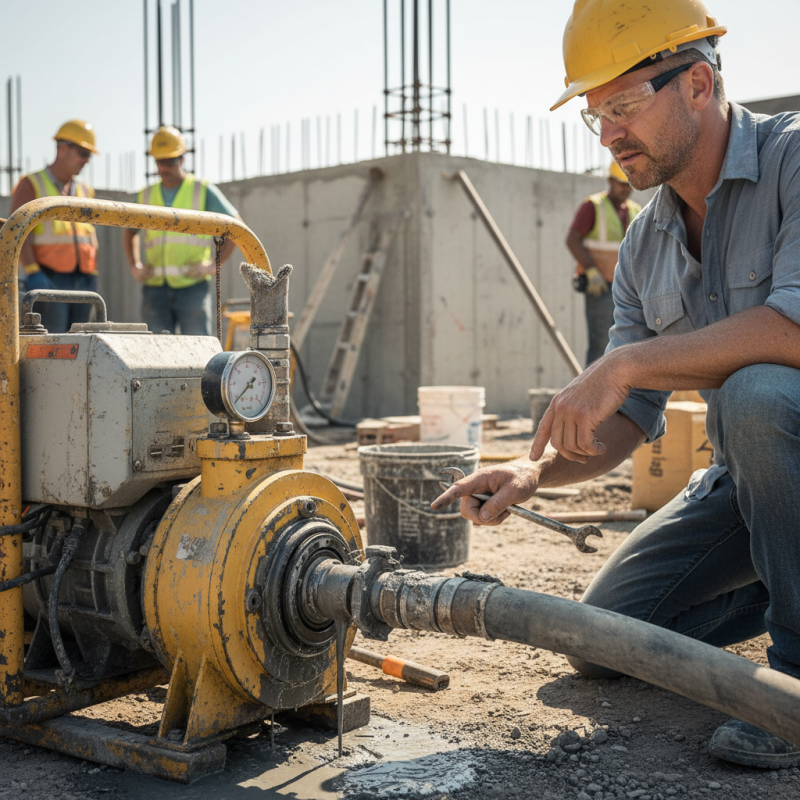
Why Is My Grouting Pump Losing Pressure Troubleshooting Guide?

Common Causes of Pressure Loss in Grouting Pumps

Grouting pumps play a crucial role in construction and repair projects. Understanding the common causes of pressure loss is vital for maintaining efficiency. A report by the American Concrete Institute highlights that over 30% of grouting projects experience pressure-related issues. This statistic underlines the importance of identifying the root causes promptly.

One common issue is wear and tear on pump components. Rubber seals and gaskets can degrade over time, leading to leaks. Even a small leak can result in significant pressure loss. Industry sources indicate that worn parts account for about 25% of all pressure loss cases. Regular maintenance checks can help catch these problems early before they escalate into costly repairs.

Another cause can be improper pump setup or configuration. If the inlet suction line is too long or has restrictions, it can lead to cavitation. This condition can severely impact pump performance. Pressure readings should be monitored closely to ensure the pump operates within recommended parameters. Lack of proper training for operators may also lead to these preventable issues. Engaging qualified personnel is essential for optimizing equipment performance.

Pressure Loss in Grouting Pumps - Common Causes

Identifying Symptoms of Pressure Loss in Grouting Pumps

When a grouting pump loses pressure, it can lead to significant issues on the job site. Symptoms of this pressure loss can vary widely. One common sign is irregular flow from the discharge line. This can indicate blockages or air leaks in the system. Additionally, if the pressure gauge shows fluctuations, it might signal a malfunctioning pump or issues in the plumbing.

Another symptom is unusual sounds during operation. If you hear grinding or rattling noises, inspect the pump immediately. These sounds may suggest wear and tear, which can lead to costly repairs. Also, if you notice any leakage around seals or fittings, it could compromise the pump’s pressure.

**Tips**:
Regularly check for leaks. Maintain a clean workspace around the pump. Ensure all fittings are secure and free from debris. Consider using a pressure regulator to manage fluctuations better. Keeping a log of maintenance can help identify recurring issues. This record can provide insights into patterns that may require professional attention.

Step-by-Step Troubleshooting Process for Grouting Pump Pressure Issues

A grouting pump losing pressure can be frustrating. Several factors could contribute to this issue. Begin by checking the hose connections for any leaks or blockages. Ensure that all fittings are tight. A loose fitting can result in pressure drops that affect performance.

Next, inspect the pump itself. If you notice unusual sounds or vibrations, these could indicate mechanical problems. It's essential to verify that the pump's internal components are in good working condition. Worn-out seals or damaged pistons can significantly impact pressure levels.

Tips: Regular maintenance can prevent many pressure issues. Inspect your equipment often to catch potential problems early. Cleaning the pump after each use can reduce the risk of sediment buildup.

Don't overlook the grout material itself. If it is too thick or improperly mixed, it may cause pressure fluctuations. Following manufacturer guidelines for mixing ratios ensures optimal viscosity for smooth pumping. Addressing these details will help maintain consistent pressure.

Tips: Always document your troubleshooting steps. This record can help identify recurring problems and guide future maintenance. Simplifying your process can save time and avoid frustration.

Preventative Maintenance Tips for Grouting Pump Longevity

Preventative maintenance is essential for grouting pump longevity. According to industry reports, regular maintenance can increase equipment lifespan by up to 30%. Ignoring routine checks may lead to unexpected downtimes. Even minor issues can escalate into significant repairs if not addressed promptly.

One effective tip is to inspect seals and gaskets regularly. Damaged seals can cause leaks, leading to loss of pressure. Maintaining proper fluid levels is vital as well. Low levels can result in overheating. For optimal performance, clean filters and strainers to prevent blockages.

Another important aspect is to monitor pump vibrations. Excessive vibrations may indicate underlying problems. Addressing these issues early can prevent major failures. Keep an eye on the pump's operational environment too. Ensure it is free from dust and debris. These simple practices can make a significant difference. The energy costs associated with inefficient pumps can add up quickly. Hence, staying vigilant will save money in the long run.

When to Seek Professional Help for Grouting Pump Problems

A grouting pump losing pressure can be frustrating. Identifying the cause is essential. For some problems, it’s best to consult a professional. Technical issues may include pump damage or blockages. Regular maintenance can prevent these situations. However, sometimes DIY troubleshooting might not suffice.

If your pump struggles to hold pressure after basic checks, consider expert help. Unusual noises or leaks often indicate serious problems. These signs shouldn’t be ignored. Your equipment deserves proper care. Professionals can accurately diagnose complex issues. They bring experience with various systems and can provide informed recommendations.

It’s crucial to recognize your limits. Not every problem is solvable at home. Neglecting significant issues can result in more significant damage. Investing in expert assistance may save time and money in the long run. Prioritize efficiency and reliability to keep your projects running smoothly.

FAQS

: What are the symptoms of pressure loss in grouting pumps?

: Common symptoms include irregular flow, pressure gauge fluctuations, and unusual sounds. Leakage around seals is also concerning.

How can I identify unusual sounds from my grouting pump?

If you hear grinding or rattling noises, inspect the pump. These may signal wear and tear that needs attention.

Why is regular maintenance important for a grouting pump?

Regular maintenance can increase pump lifespan by up to 30%. Ignoring it can lead to unexpected downtimes and repairs.

What should I regularly check to maintain my grouting pump?

Inspect seals, gaskets, and fluid levels. Clean filters and monitor vibrations to prevent blockages and failures.

When should I seek professional help for my grouting pump?

If the pump cannot hold pressure after basic checks, or if there are unusual noises or leaks, consult an expert.

How can vibrations indicate problems in my grouting pump?

Excessive vibrations may suggest underlying issues. Addressing them early can help avoid major failures. Don't ignore this sign.

What can I do to prevent dust and debris around my pump?

Keep the pump’s workspace clean and organized. Regularly check for any buildup that might affect performance.

Is it worth keeping a maintenance log for my grouting pump?

Yes, a maintenance log helps identify recurring issues and provides insight for professional visits if needed.

What could happen if I neglect minor issues in my grouting pump?

Minor issues can escalate into major repairs. Addressing them early saves money and ensures efficient operation.

How can pressure regulators help with fluctuating pressure?

Pressure regulators manage fluctuations more effectively. This aids in maintaining a consistent and reliable flow in the system.

Conclusion

In addressing the question "why is my grouting pump losing pressure," it's essential to understand the common causes that can lead to pressure loss, such as leaks, blockages, or faulty components. Identifying the symptoms, such as inconsistent flow or unusual noises, is the first step in troubleshooting the issue. A systematic approach to diagnosing the problem can help pinpoint the exact source of pressure loss, allowing for efficient repairs.

Moreover, implementing preventative maintenance strategies can significantly extend the lifespan of your grouting pump and reduce the likelihood of future problems. Regular inspections, cleaning, and timely replacements of worn parts are critical. However, if the issue persists despite your efforts, it may be time to seek professional help to ensure the pump operates optimally. Taking proactive measures can help keep your grouting pump functioning effectively and minimize downtime.

Henry

Henry

Henry is a dedicated marketing professional with a profound expertise in the company's offerings. With years of experience in the industry, he possesses an impressive understanding of the market dynamics and consumer behaviors that drive success. Henry is committed to sharing his insights through......