Product Description
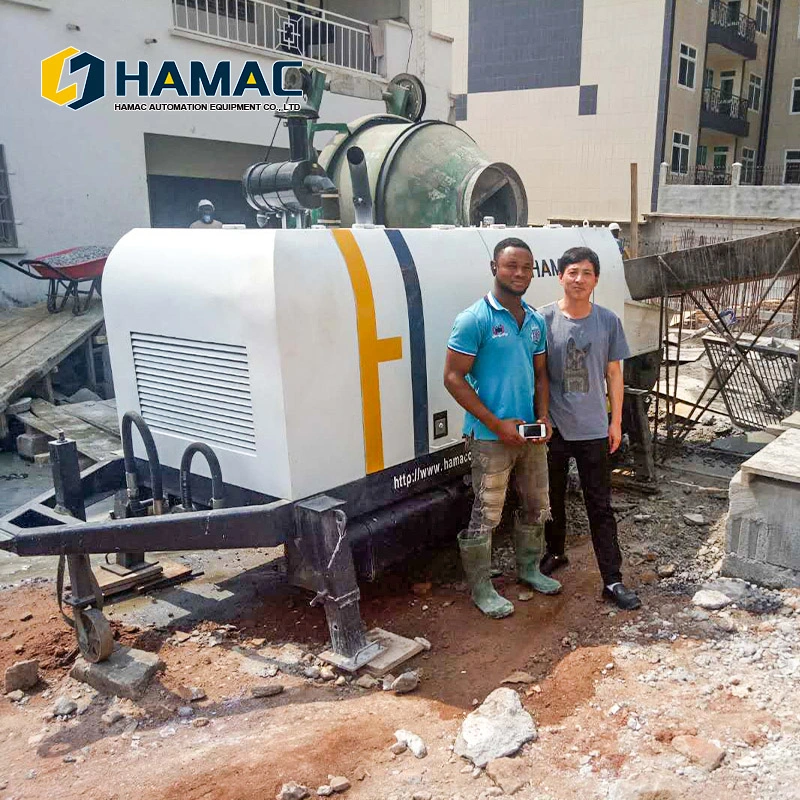
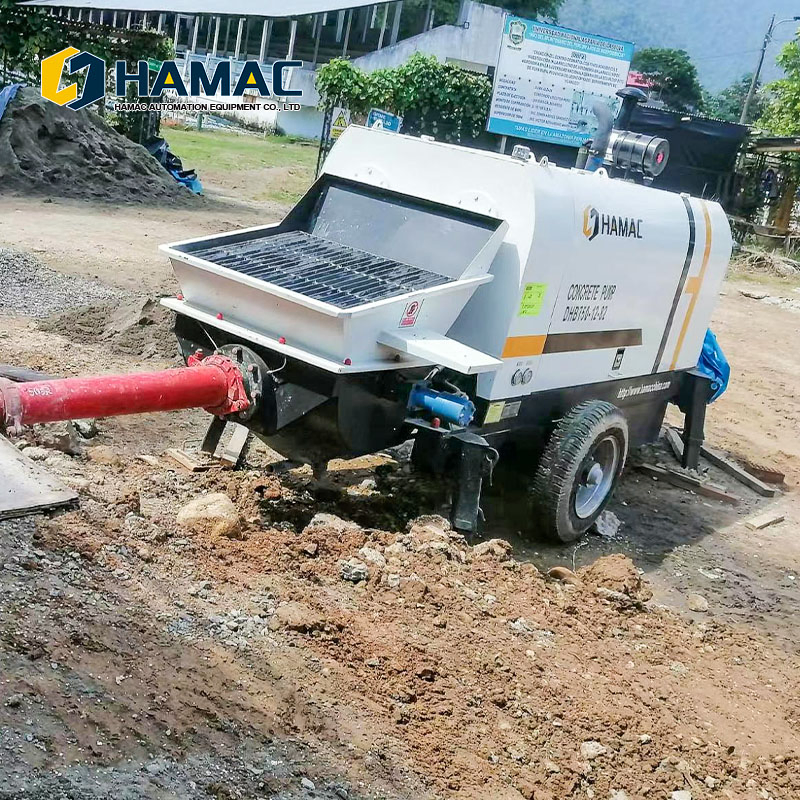
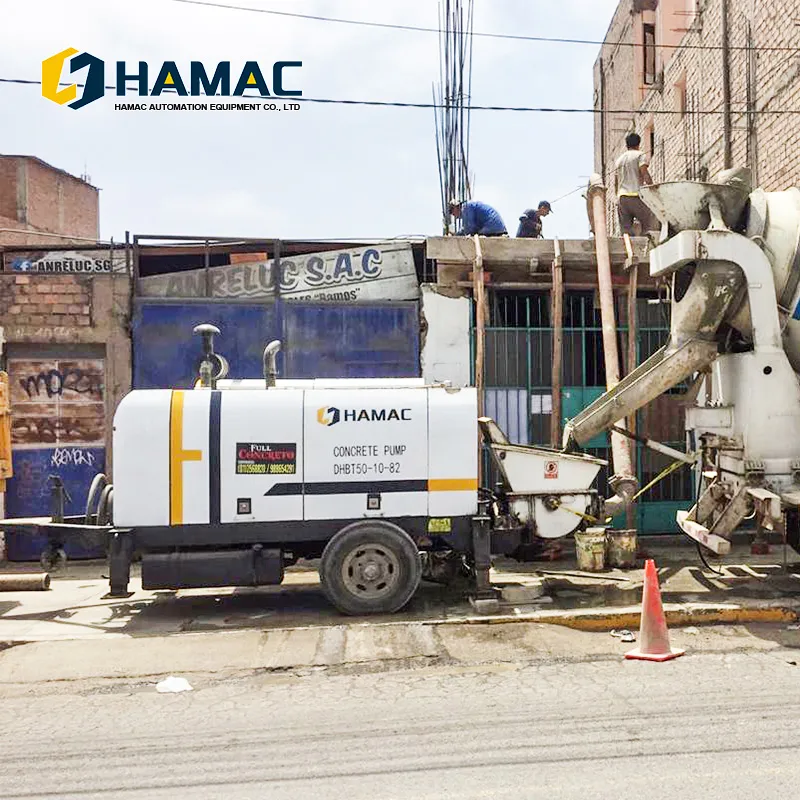
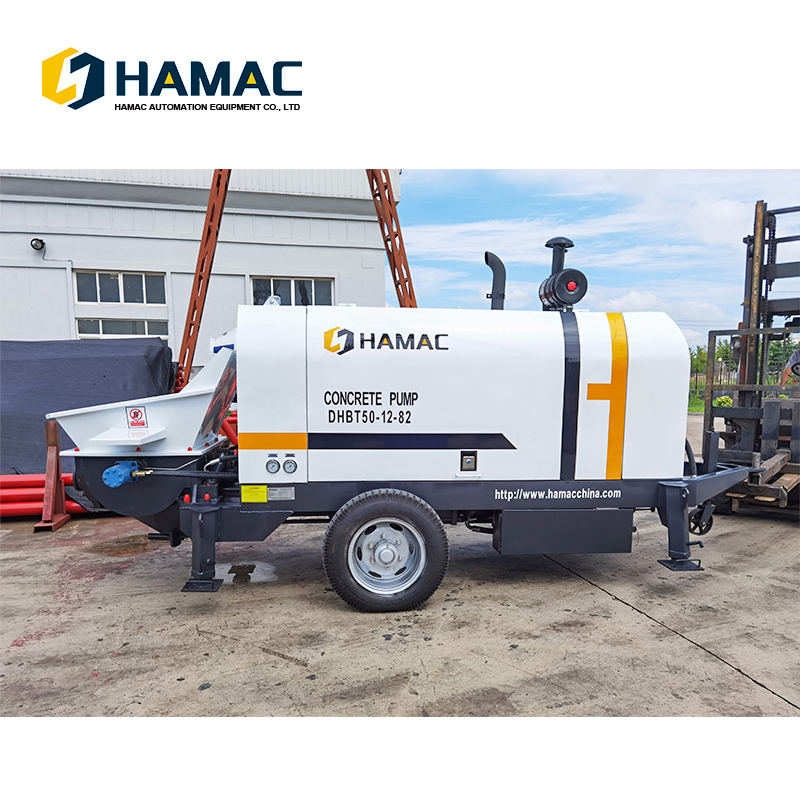
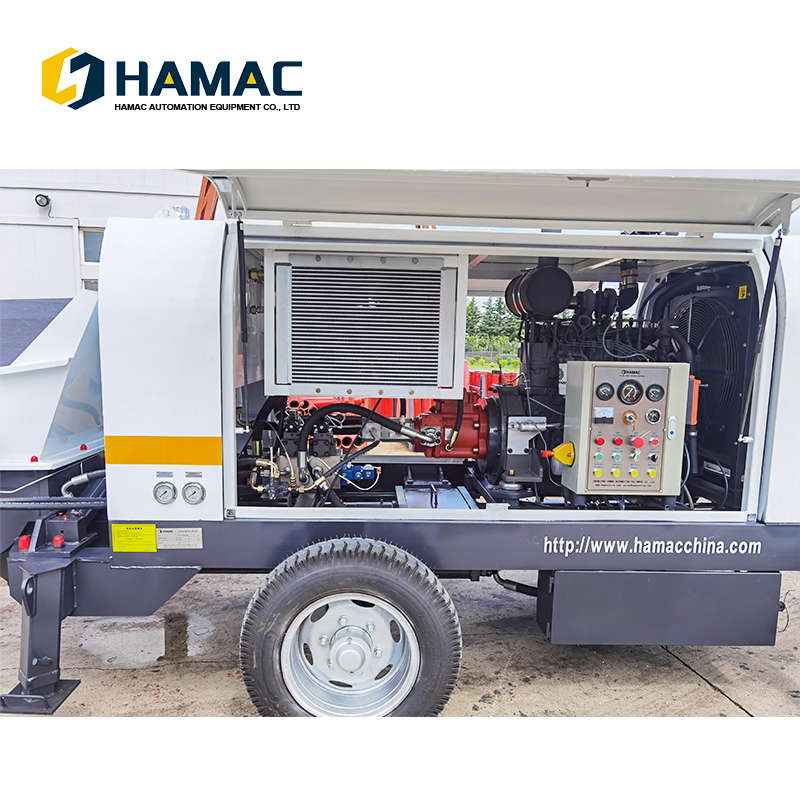
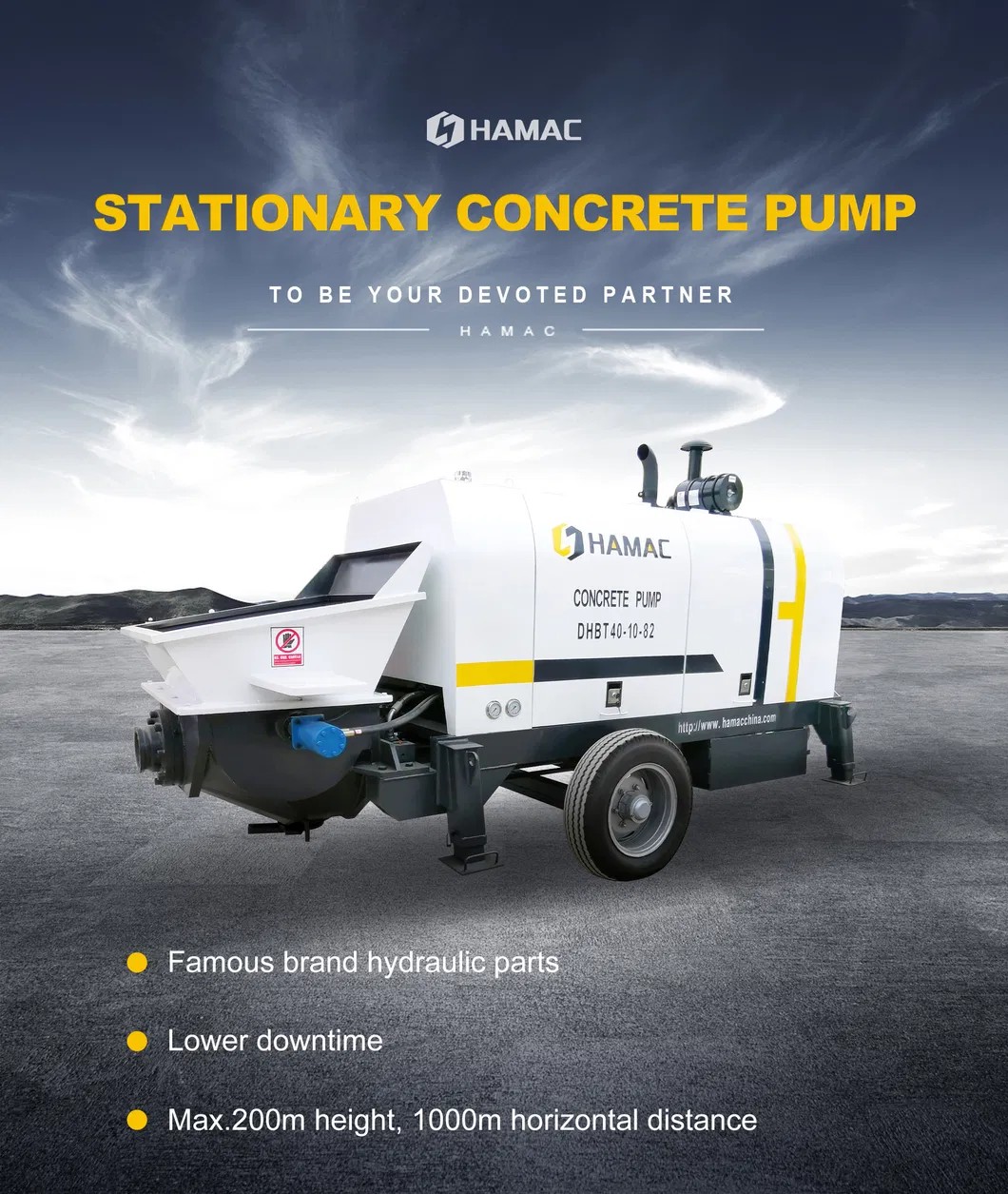
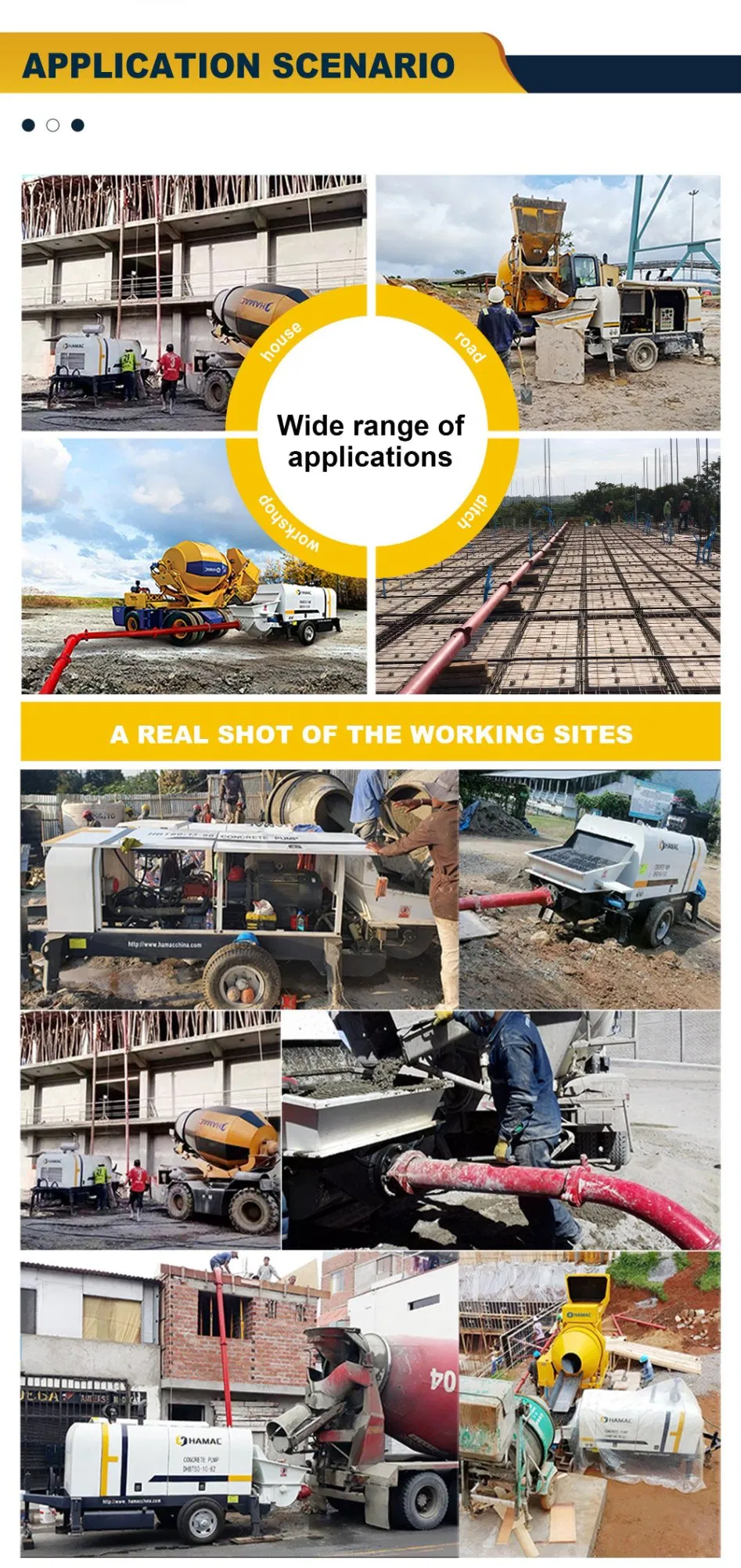
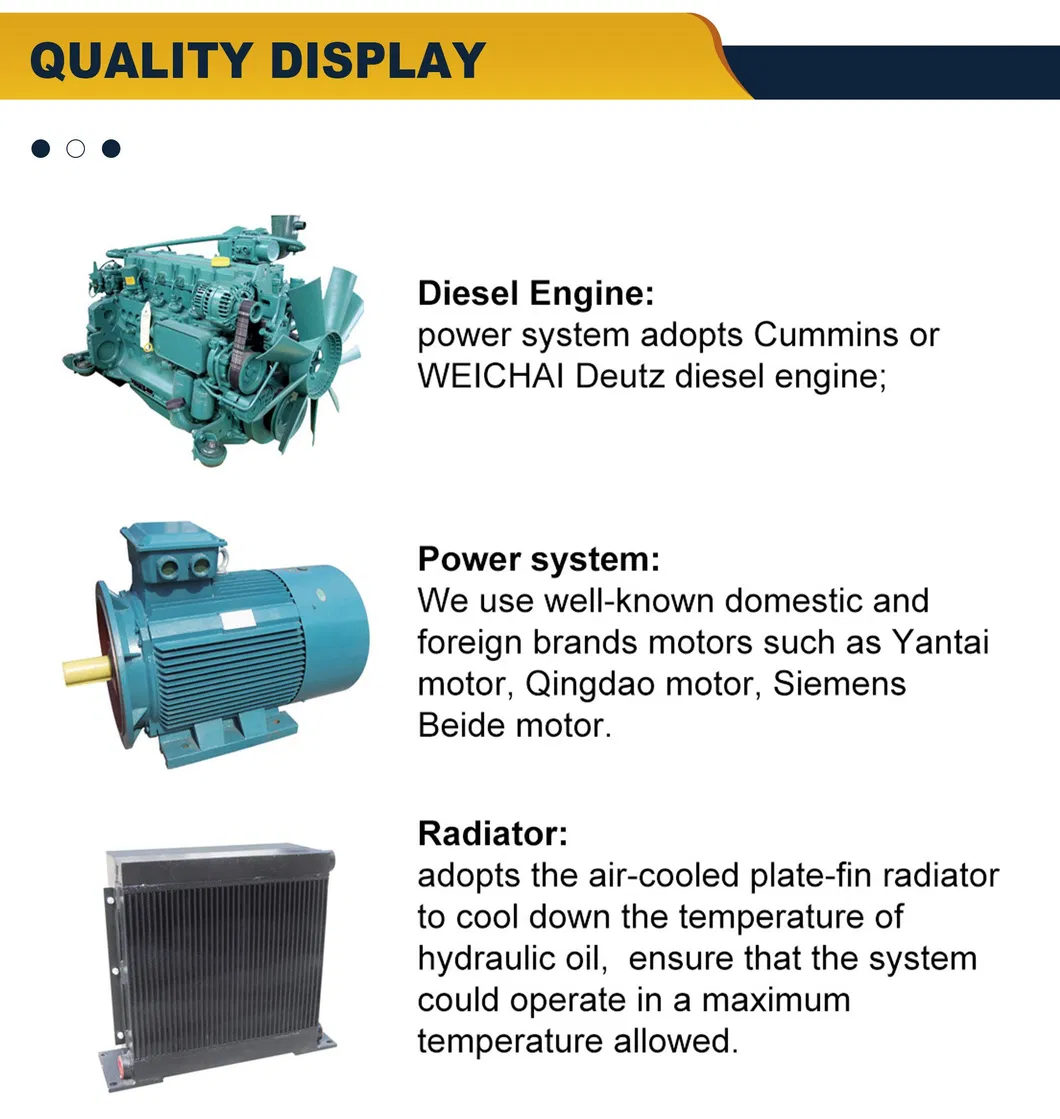
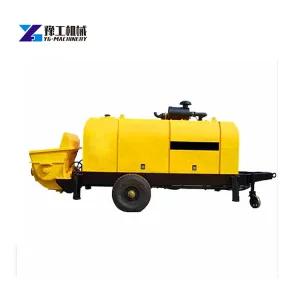
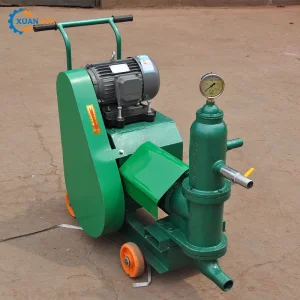
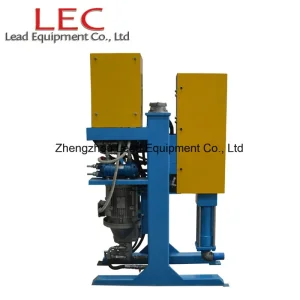
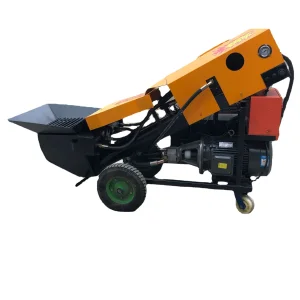
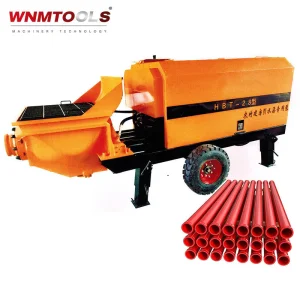
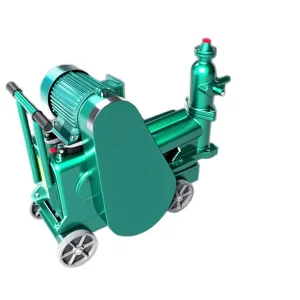
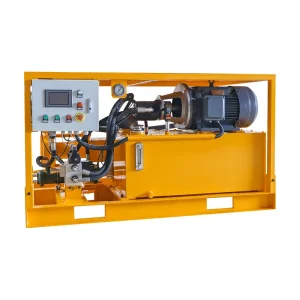
Stationary concrete pump for sale is a star product in the concrete pumping industry. This type of concrete trailer pump is mounted on a trailer, commonly referred to as a trailer-mounted concrete pump, static concrete pump, or towed concrete pump. We offer two main driving configurations: diesel engine driven and electric motor driven.
⚡ Electric VS Diesel Concrete Pumps
Choosing the right power source depends on your specific job site conditions. Compare their features below:
- Electric Type: Driven by industrial 3-phase electricity. Ideal for sites with stable power supplies.
- Diesel Type: Driven by a powerful diesel engine, allowing it to work in remote locations without electrical infrastructure.
- Environment: Electric pumps operate with low noise and zero emissions, while diesel pumps are louder but offer greater mobility.
- Maintenance: Electric motors require significantly less frequent maintenance compared to diesel engines.
- Popularity: Diesel models are often preferred because they can operate anywhere regardless of power grid availability.
Pumping Performance & Specs
The pumping horizontal distance and vertical height are determined by the concrete grade and the outlet pressure. For standard C30 concrete, the DHBT40-10-82 trailer pump can achieve a vertical height of 70 meters and a horizontal distance of 300 meters, with a maximum aggregate size of 40 mm.
| Item |
Unit |
DHBT30 |
DHBT40 |
DHBT50 |
DHBT60 |
DHBT80 |
DHBT90 |
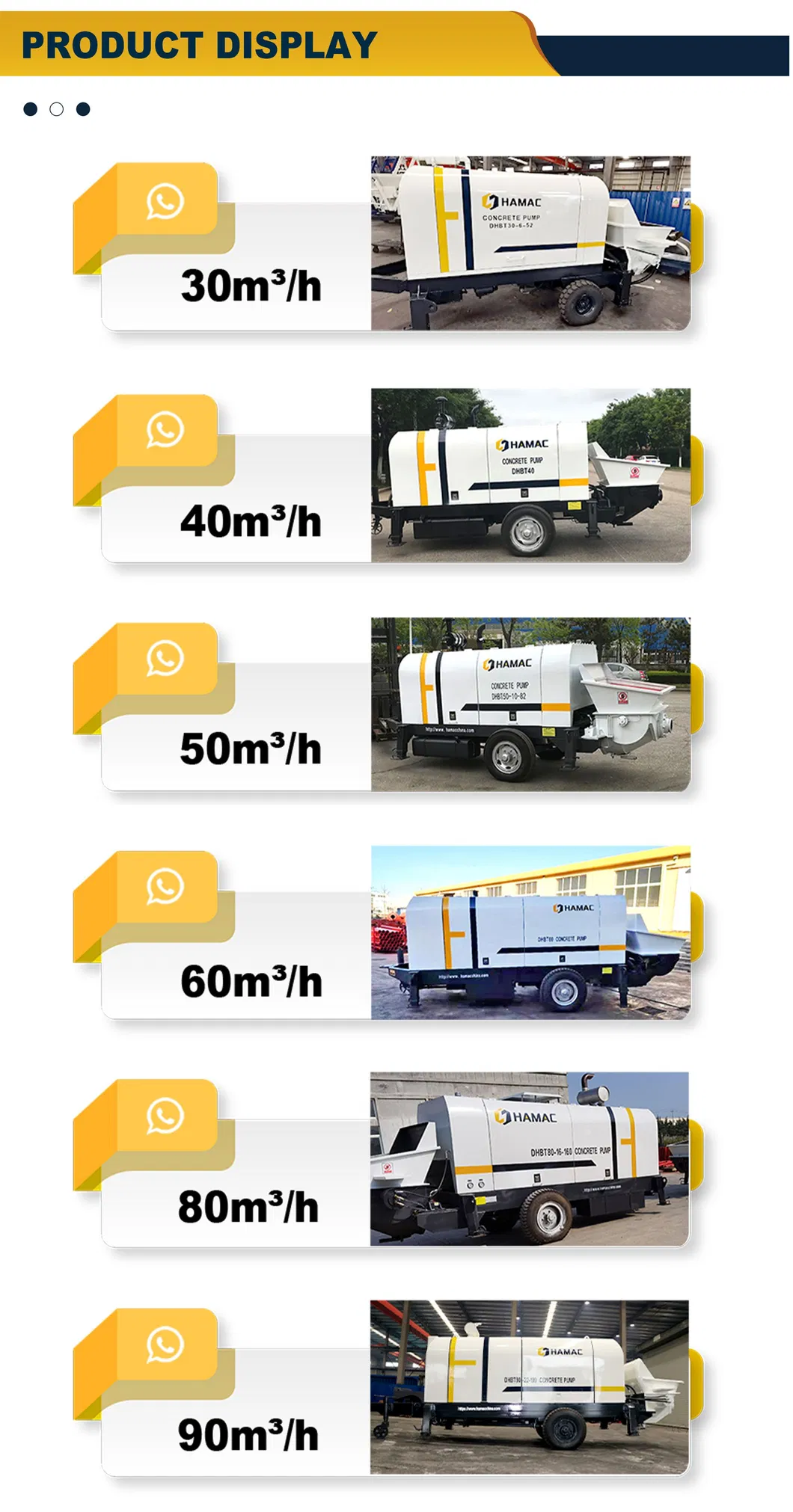
| Theoretical Capacity | M³/H | 30 | 40 | 50 | 60 | 80 | 90 |
| Delivery Pressure | Mpa | 10 | 10 | 10 | 13 | 16 | 22 |
| Max. Pump Times | T/Min | 24 | 20 | 22 | 22 | 23 | 23 |
| Delivery Height | M | 120 | 120 | 120 | 180 | 180 | 350 |
| Delivery Distance | M | 500 | 500 | 500 | 600 | 1000 | 1500 |
| Distribution Valve | - | S Tube | S Tube | S Tube | S Tube | S Tube | S Tube |
| Engine Power | Kw | 56 | 82 | 82 | 129 | 129/145 | 199 |
| Oil Tank Capacity | L | 260 | 370 | 370 | 560 | 560 | 560 |
| Overall Weight | Kg | 3500 | 4500 | 4500 | 6500 | 6800 | 7000 |
Frequently Asked Questions
What is the difference between a stationary pump and a concrete pump truck?
A stationary pump is trailer-mounted and requires separate pipelines to deliver concrete, whereas a pump truck has an integrated boom for delivery. Stationary pumps are more cost-effective for long-term projects and high-rise construction.
Which is better, diesel or electric?
Diesel is better for remote sites without electricity. Electric is better for urban projects where noise and exhaust emissions must be minimized.
What is the maximum pumping distance?
Depending on the model, horizontal distances can reach up to 1500 meters and vertical heights up to 350 meters with high-pressure models like the DHBT90.
Can these pumps handle large aggregate sizes?
Most models can handle aggregate sizes up to 40mm (crushed stone) or 50mm (pebbles), depending on the cylinder diameter and concrete mix.
What maintenance is required?
Key maintenance includes cleaning the hopper and S-valve after every use, checking hydraulic oil levels, and greasing rotating parts regularly to ensure longevity.
How is the concrete pumped through the pipe?
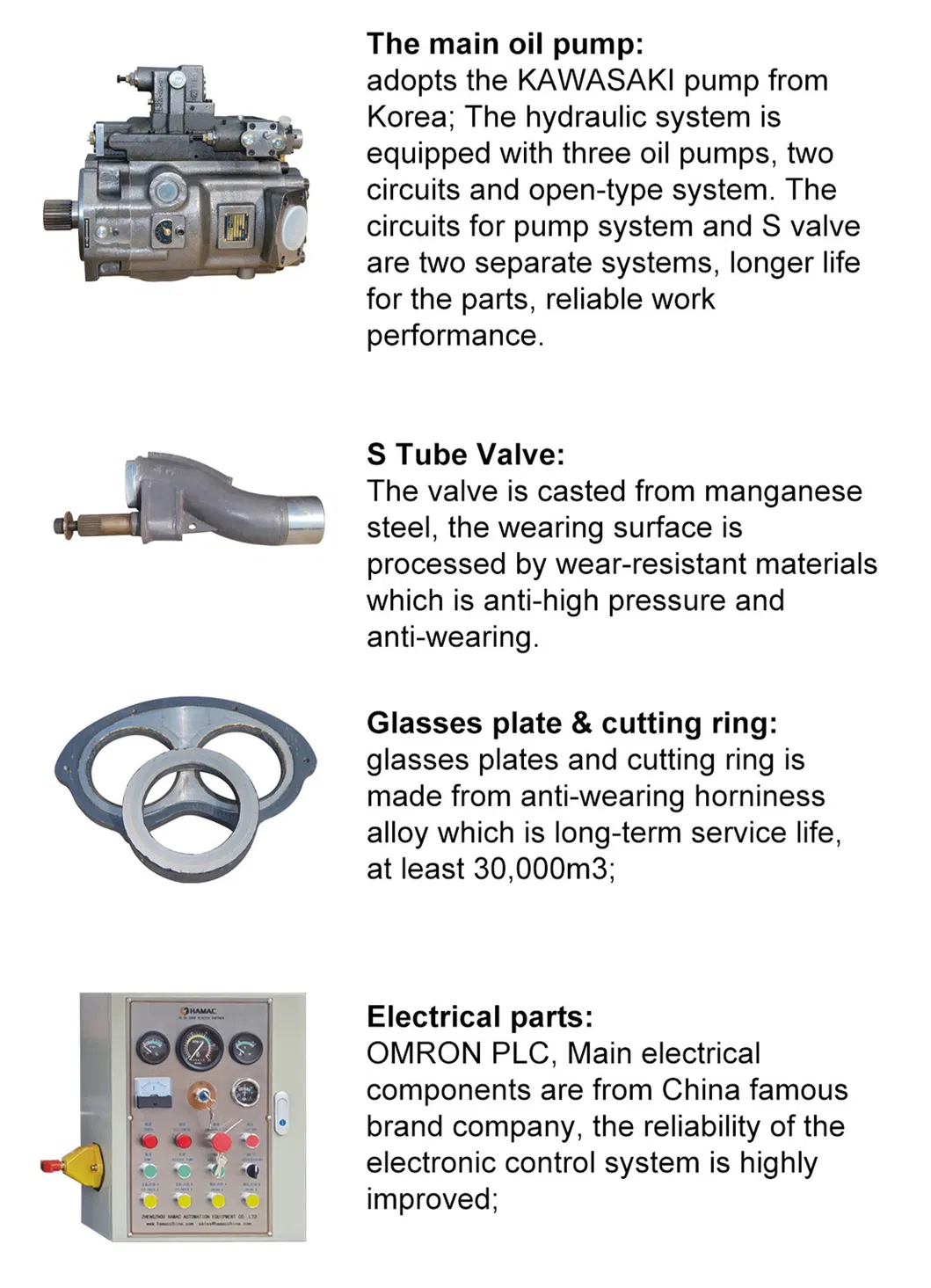
The pump uses a double-piston hydraulic system that pushes concrete through an S-tube valve into the delivery pipeline at high pressure.
 SSG Machinery